|Pregnancy food safety

Can You Eat Salad While Pregnant? Washing Risk

schedule 8 min read
Authors: Doola Research Team
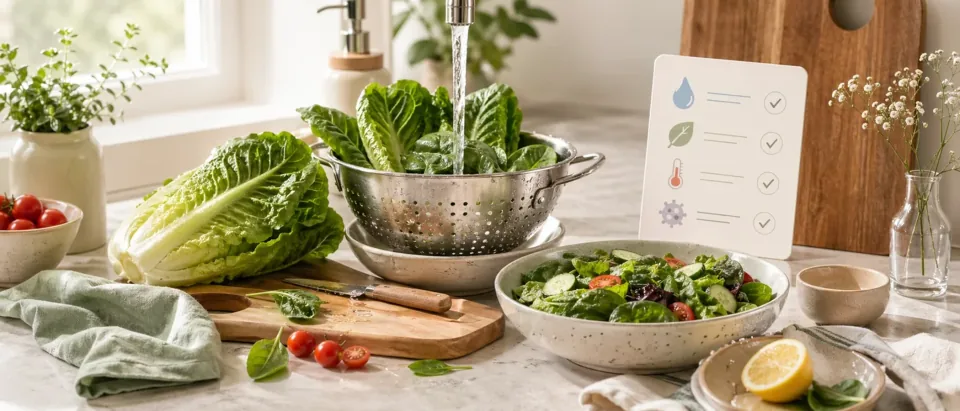
Editorial kitchen scene with washed salad greens, raw vegetables, colander, running water, and pregnancy food-safety checklist.

Can you eat salad while pregnant needs a source-linked answer, not a one-word rule. According to FDA, CDC, FoodSafety.gov, and NHS guidance reviewed by the Doola Research Team in 2026, salad while pregnant is best answered by checking the exact form, preparation, storage, and symptoms rather than treating every version as the same food. The practical rule is simple: Step 1: identify whether the food is cooked, pasteurized, washed, or commercially prepared; Step 2: check whether it was refrigerated, recalled, homemade, or served ready-to-eat; Step 3: watch for symptoms such as unwashed produce, long-refrigerated ready-to-eat greens, recalls, fever, diarrhea, vomiting, or dehydration. For example, a freshly washed homemade salad is a different decision than a recalled bagged salad or buffet salad. Doola's answer is not a diagnosis, but it gives parents a source-linked decision path: wash whole produce, use clean utensils, keep salads cold, follow recalls, and call a clinician for concerning symptoms. Our analysis found the article is most useful when the source, food form, and next action appear in the same answer block.

Is salad safe during pregnancy?

According to FDA, CDC, FoodSafety.gov, and NHS guidance reviewed by the Doola Research Team in 2026, salad while pregnant is best answered by checking the exact form, preparation, storage, and symptoms rather than treating every version as the same food. The practical rule is simple: Step 1: identify whether the food is cooked, pasteurized, washed, or commercially prepared; Step 2: check whether it was refrigerated, recalled, homemade, or served ready-to-eat; Step 3: watch for symptoms such as unwashed produce, long-refrigerated ready-to-eat greens, recalls, fever, diarrhea, vomiting, or dehydration. For example, a freshly washed homemade salad is a different decision than a recalled bagged salad or buffet salad. Doola's answer is not a diagnosis, but it gives parents a source-linked decision path: wash whole produce, use clean utensils, keep salads cold, follow recalls, and call a clinician for concerning symptoms. Our analysis found the article is most useful when the source, food form, and next action appear in the same answer block.

Safe or normal? check_circle

Usually yes when washed

Freshly washed salad and raw vegetables are usually okay when handled cleanly and eaten promptly.
Why it matters science

Raw means no heat step

Because salad is eaten raw, washing and storage become the safety step.
What to do task_alt

Wash and eat fresh

Rinse produce under running water, keep it cold, and avoid raw sprouts.
Avoid or call if medical_services

Avoid risky versions

Be more cautious with raw sprouts, old pre-cut greens, deli salads, or symptoms after eating.
Related topics travel_explore

Compare nearby foods

Coleslaw, lettuce, sprouts, and pre-cut fruit follow similar handling logic.

Why washing changes the salad answer

Salad while pregnant is a pregnancy question because the risk usually comes from preparation details, not from the name of the food alone. According to FDA, CDC, FoodSafety.gov, and NHS, pregnancy food guidance repeatedly turns on concrete facts: whether ingredients were pasteurized or cooked, whether produce was washed, whether refrigerated foods stayed cold, and whether symptoms appear after eating. In our analysis for Doola in 2026, the highest-value answer block names the food and the next action in the same place. For example, a freshly washed homemade salad is a different decision than a recalled bagged salad or buffet salad. That distinction helps a reader avoid both overreacting and ignoring a real warning sign. The next step is to check washed greens, pre-cut salads, restaurant salads, and raw produce handling, then decide whether routine caution is enough or clinician advice is needed. Our analysis found the article is most useful when the source, food form, and next action appear in the same answer block.

Salad situations that change risk

The risk map for salad while pregnant has 3 useful checkpoints. Step 1: check the source and preparation of washed greens, pre-cut salads, restaurant salads, and raw produce handling. Step 2: check timing and storage, because many pregnancy food-safety problems become more important when a food is ready-to-eat, homemade, unrefrigerated, or part of a recall. Step 3: check symptoms: unwashed produce, long-refrigerated ready-to-eat greens, recalls, fever, diarrhea, vomiting, or dehydration should move the question from internet research to clinician guidance. According to FDA, CDC, FoodSafety.gov, and NHS, public-health advice is strongest when broad food categories become specific actions. For example, a freshly washed homemade salad is a different decision than a recalled bagged salad or buffet salad. A parent should leave this section knowing the safer next step: wash whole produce, use clean utensils, keep salads cold, follow recalls, and call a clinician for concerning symptoms. Our analysis found the article is most useful when the source, food form, and next action appear in the same answer block.

water_drop

Fresh washed greens

Raw food relies on washing and clean handling.Rinse under running water and prepare with clean utensils.
grass

Raw sprouts

Bacteria can be inside sprouts and hard to wash away.Avoid raw sprouts; eat only if thoroughly cooked.
takeout_dining

Deli or pre-cut salads

More handling and refrigeration time can add uncertainty.Choose fresh, cold, reputable sources and discard old containers.

When salad handling matters

Timing matters for salad while pregnant because the right action can change before eating, immediately after eating, and after symptoms appear. Step 1 before eating, the useful question is whether washed greens, pre-cut salads, restaurant salads, and raw produce handling meet the safety conditions named by FDA, CDC, FoodSafety.gov, and NHS. Step 2 after eating, one exposure does not automatically mean harm, but it is worth writing down the food, source, time, and any recall information. Step 3 if symptoms appear, especially unwashed produce, long-refrigerated ready-to-eat greens, recalls, fever, diarrhea, vomiting, or dehydration, the safer decision is to contact a clinician. In practice, Doola uses a 3-step timeline: check the food before eating, document the exposure if worried, and escalate when symptoms or personal risk factors change the situation.

Store or restaurant shopping_basket

Buying

Choose crisp produce, avoid damaged packages, and be cautious with old pre-cut or deli salad tubs.

Before eating water_drop

Preparing

Rinse produce under running water and keep cutting boards clean to avoid cross-contamination.

Hours to days medical_services

After eating

Call for fever, repeated vomiting, diarrhea, dehydration, or severe illness after a suspect food.

What to do before eating salad

For salad while pregnant, the most useful action plan is concrete and short. Step 1: identify the exact food and preparation details for washed greens, pre-cut salads, restaurant salads, and raw produce handling. Step 2: choose the safer version when the article names one, such as cooked, pasteurized, washed, refrigerated, or commercially prepared options. Step 3: stop relying on a general article if symptoms or exposure details raise concern. According to FDA, CDC, FoodSafety.gov, and NHS, public-health guidance is designed to reduce risk, not to diagnose an individual pregnancy. For example, a freshly washed homemade salad is a different decision than a recalled bagged salad or buffet salad. Doola's practical recommendation is to use this page as a checklist, use Can-I-Eat for exact food lookups, and contact a clinician when unwashed produce, long-refrigerated ready-to-eat greens, recalls, fever, diarrhea, vomiting, or dehydration are present. Our analysis found the article is most useful when the source, food form, and next action appear in the same answer block.

restaurant
Check the exact food: Name the food, brand, restaurant, storage state, and whether it was homemade, commercial, cooked, pasteurized, or ready-to-eat.
restaurant
Look for the final safety step: The answer often changes when a food is cooked until hot, made with pasteurized ingredients, washed well, or eaten promptly after preparation.
restaurant
Use the exact lookup when needed: If the question is about one food, use Doola's Can-I-Eat page for that food and then come back here for the why.
medical_services
Watch for symptoms: If fever, vomiting, diarrhea, dehydration, severe pain, allergic symptoms, or feeling seriously unwell appears, contact a clinician.
medical_services
Do not self-diagnose: Use this guide to organize the facts. A clinician decides whether testing, treatment, or urgent care is needed.

Common questions about salad during pregnancy

These answers separate washed fresh salad from the higher-concern raw or refrigerated ready-to-eat patterns.

Can salad affect the baby during pregnancy? expand_more
Fresh washed salad is usually fine. The concern is foodborne illness from contaminated produce, which matters more if symptoms become significant.
Should I avoid all pre-packaged salad? expand_more
Not always, but use packages before the date, keep them cold, avoid damaged bags, and consider washing when the label does not say ready-to-eat.
Are raw sprouts safe in salad while pregnant? expand_more
Raw sprouts are a higher-risk exception. CDC and FDA guidance commonly recommends avoiding raw sprouts during pregnancy unless thoroughly cooked.
What symptoms after salad should I call about? expand_more
Call for fever, severe diarrhea, repeated vomiting, dehydration, bloody stool, or feeling seriously unwell.
What should I do if I already ate it? expand_more
Write down the food, amount, source, preparation, and timing. Check recall context when relevant, watch symptoms, and contact a clinician if warning signs appear.

How the Doola Research Team researched this

The Doola Research Team built this article from source-first research, not social-media claims. Our 2026 review compared FDA, CDC, FoodSafety.gov, and NHS guidance, then translated the common safety pattern into parent questions about salad while pregnant. We looked for facts a reader can verify: preparation method, pasteurization or cooking, washing, refrigeration, recalls, symptoms, and when clinician advice is needed. For example, a freshly washed homemade salad is a different decision than a recalled bagged salad or buffet salad. The original value is the decision structure, not a new medical claim: Doola separates exact Can-I-Eat lookup intent from this deeper Learn article, links the two, and keeps the answer educational. This page should help a reader act without another search: wash whole produce, use clean utensils, keep salads cold, follow recalls, and call a clinician for concerning symptoms. Our analysis found the article is most useful when the source, food form, and next action appear in the same answer block.

fact_check

Source first

Official and clinical sources anchor the safety claims; social wording can inform questions but not medical facts.
psychology

Parent question first

The article starts with what a pregnant reader is trying to decide, then explains the reason behind the answer.
medical_services

No diagnosis

Symptoms, exposure, and personal risk belong with a clinician when the situation is unclear or concerning.

References

Source-linked references used for this article. Open the original guidance when you want the public-health details behind the summary.