When search feels noisy
Stop comparing ten tabs for one label.
Doola Scan starts with the product text in front of you, then organizes the pregnancy-relevant question before you spiral through mixed search results.
Check food, skincare, supplement, and ingredient text with pregnancy-aware context.
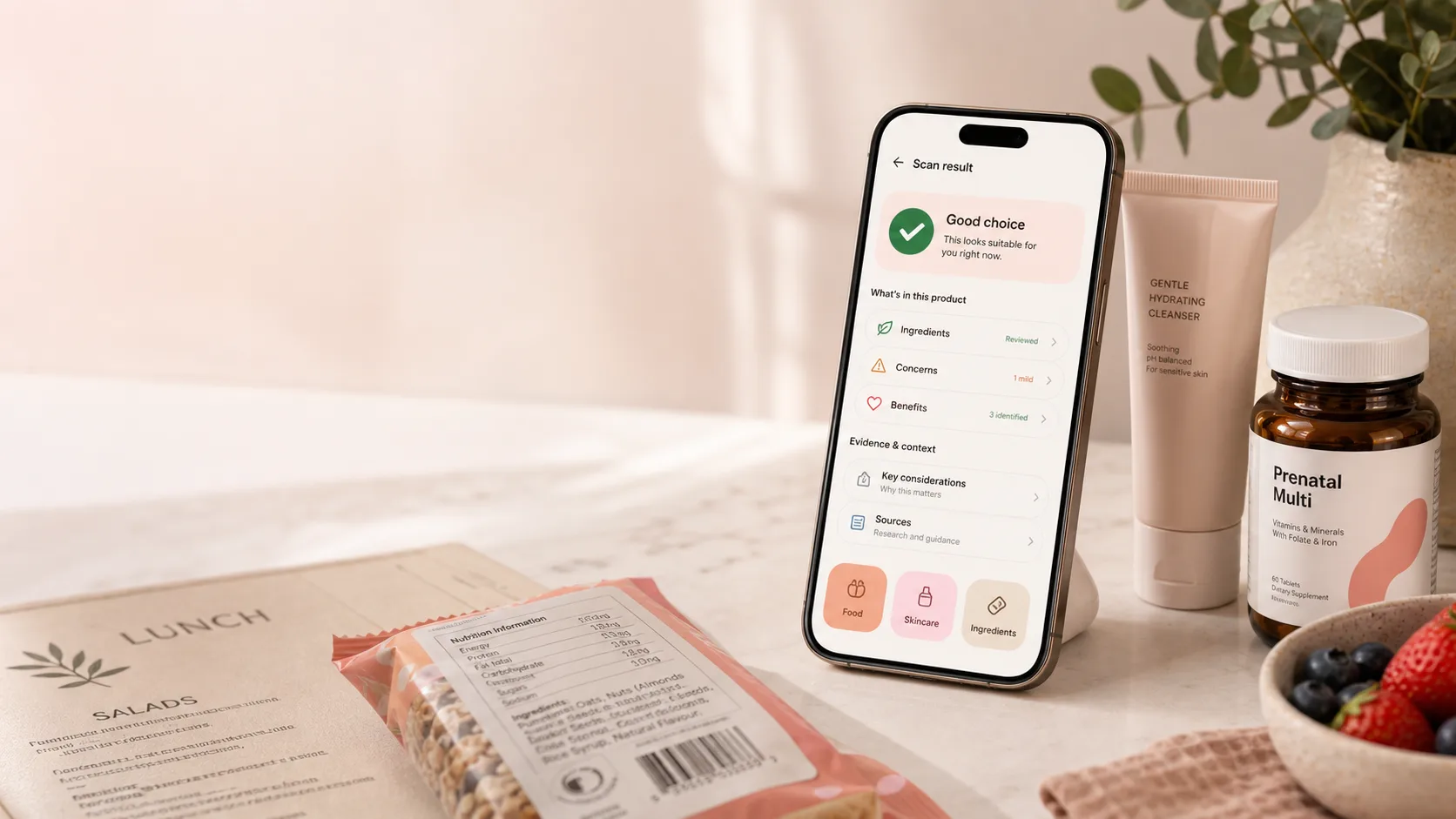
Ingredient panel
Clear next step, not a vague search result.
Why download
Doola Scan is not trying to be another generic search page. It is a fast label-to-context workflow for the everyday pregnancy questions that happen in aisles, restaurants, bathrooms, and product pages.
For food, skincare, supplement, menu, and ingredient text checks.
When search feels noisy
Doola Scan starts with the product text in front of you, then organizes the pregnancy-relevant question before you spiral through mixed search results.
When barcode apps miss it
Imported items, handmade products, restaurant menus, supplement panels, and skincare bottles often do not have clean barcode answers. Visible text is enough to begin.
When the stakes feel personal
The app helps separate everyday label context from situations where symptoms, medication, allergies, or personal history should guide the decision.
The question usually starts with a real item in your hand.
Doola Scan helps turn that label, menu, product page, or supplement panel into a more useful pregnancy-safety check.
Capture
Start from the item in front of you instead of guessing from a broad food, ingredient list, or product name.
01
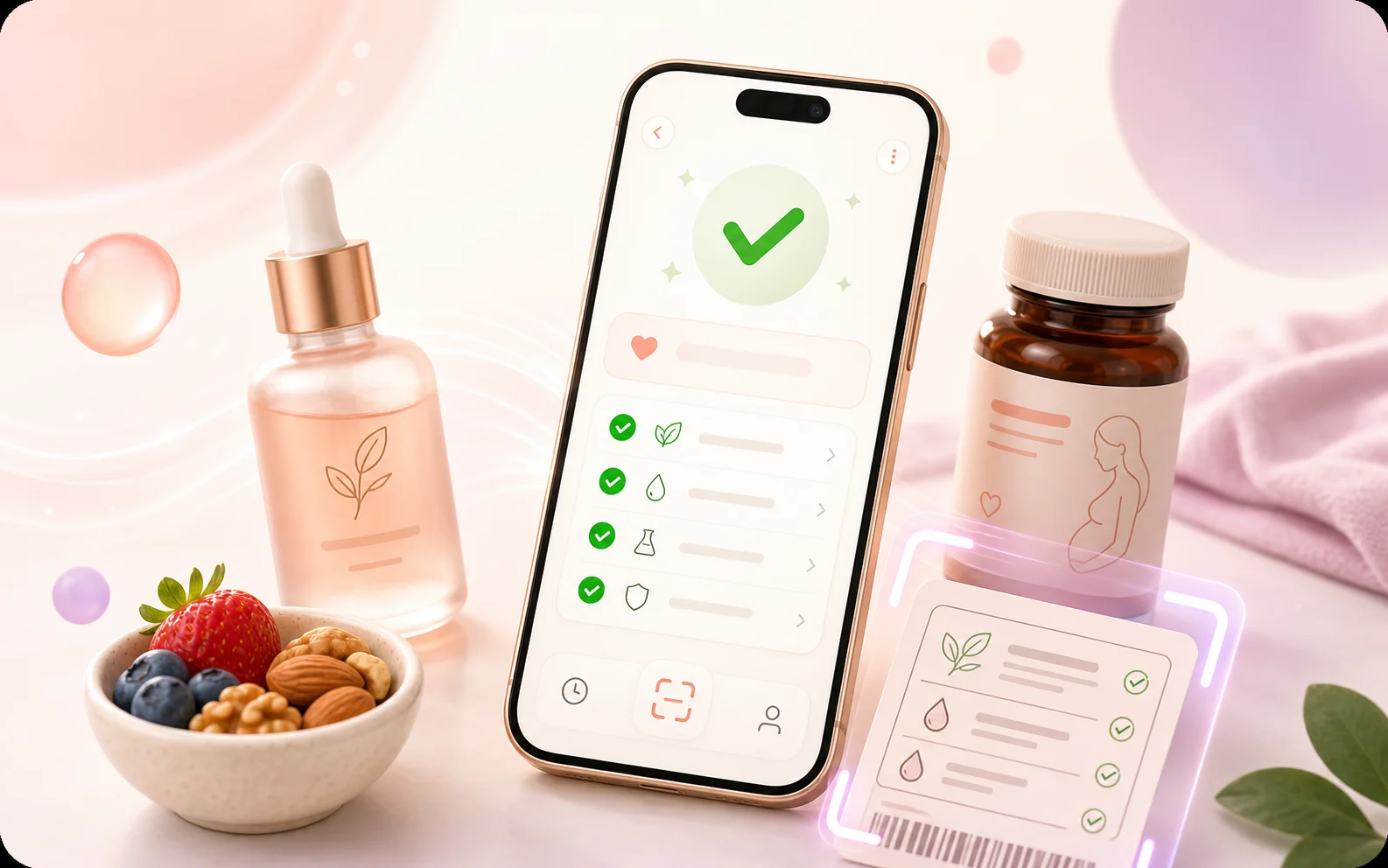
Organize
Doola separates food, skincare, supplement, and ingredient context so the answer is easier to understand.
02
Follow through
Open a focused checker, read source-linked guidance, or bring a better question to your clinician or pharmacist.
03
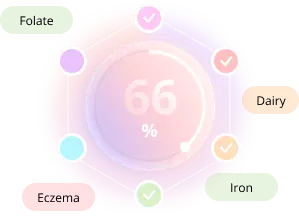
Three common checks
Food
Use it for menus, packaged labels, sauces, desserts, deli foods, drinks, and exact can-I-eat-this moments.
Skincare
Check ingredient lists on serums, sunscreen, acne products, cosmetics, and everyday beauty products.
Ingredients
Turn supplement panels, imported products, wellness labels, and mixed product text into a clearer question.
Exact food scan paths
High-demand food questions still need direct paths. These links connect the app-download page to the exact food checks parents search before they decide what to eat.
Food amounts, tea, supplements, and source-backed limits.
Runny yolk, pasteurized eggs, and cooked swaps.
Cold cuts, listeria, and steaming-hot reheating.
Chilled seafood, ready-to-eat handling, and cooked options.
Tiramisu, mousse, cookie dough, and pasteurized versions.
Dressing, raw egg, bagged greens, and restaurant prep.
Doola Scan is educational support. It explains what may matter, links to guidance, and stays clear about when personal advice matters.
Quick answer
Doola Scan is a pregnancy scanner app that checks visible text from food labels, skincare products, supplement panels, restaurant menus, product pages, and ingredient lists. It does not require a barcode match. The app starts from the exact item in front of you, then separates food, skincare, supplement, and ingredient questions into clearer next steps.
Doola Scan is best for everyday label questions, such as a packaged snack, restaurant menu, skincare bottle, cosmetic product, supplement panel, imported item, or long ingredient list. It helps you understand what may matter, where uncertainty remains, and whether a focused checker, source-linked guide, clinician, midwife, or pharmacist is the better next step.
Doola Scan is educational support, not medical advice. It does not diagnose, treat, clear medications, replace professional care, or decide what is safe for a specific pregnancy. If symptoms, medical history, medication use, allergies, or urgent concerns are involved, a qualified clinician or emergency service should guide the decision.
Where it helps
A store aisle. A restaurant table. A bathroom counter.
Doola Scan is a pregnancy scanner app for food, skincare, supplements, ingredient lists, labels, menus, and visible product text. It helps organize the question and points to source-linked educational context.
No. Doola Scan can read visible text, so it can help with niche, imported, handmade, or menu-only items.
No. Doola Scan provides educational support only. It does not diagnose, treat, clear medications, or replace professional advice from your clinician, midwife, pharmacist, or emergency service.
You can scan food, skincare, cosmetics, supplement panels, menus, sauces, condiments, imported products, and everyday ingredient text where pregnancy context matters.
Generic search often forces parents to compare many conflicting sources. Doola Scan starts from the item in front of you and organizes the result around practical pregnancy-aware context and clear limits.
Use Can I Eat for quick food-specific pages, the pregnancy food checker for label and menu decisions, and Doola Learn for deeper articles. Doola Scan is most useful when you have a real label, product page, or menu in front of you.