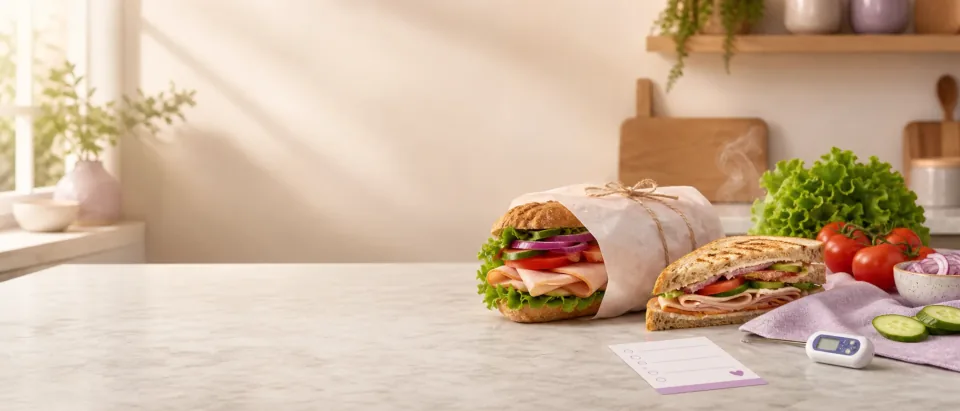
Can I eat Subway while pregnant? Usually yes if the sandwich is toasted until the deli meat is steaming hot or 165°F. Usually skip or rethink cold deli meat, premade tuna or chicken salad fillings, raw sprouts, and any order with unclear counter handling. Do now: ask for thorough heat, eat it promptly, and use Doola's food checker when the exact order changes the answer.
Source basis: This guide cross-checks the practical answer against CDC, FoodSafety.gov and the full references listed below.
Meat temperature and restaurant decision map
Meat searches split across steak temperature, rare or medium doneness, pork and lamb, hot dogs, brats, deli sandwiches, and restaurant orders. Use the exact path below before treating every meat question as the same answer.
The safer Subway order starts with heat
The brand name matters less than the food pattern. CDC puts unheated deli meat, cold cuts, hot dogs, and fermented or dry sausages in the riskier pregnancy column, while the safer choice is deli meat heated to 165°F or until steaming hot. For a Subway-style order, that means a thoroughly toasted turkey, ham, or salami sandwich is a different decision from a cold deli-meat sub. The details still matter: how hot the meat got, whether the filling is a premade deli salad, whether sprouts are involved, and whether there are recalls or unclear handling.
Hot sandwich
Cold deli meat
Deli salads
Order for heat
Exact order
Cold deli-meat sub
Toasted deli-meat sub
Tuna or chicken salad filling
Sprouts or salad-bar-style extras
Vegetable sandwich
The sandwich details that change the answer
A practical order check has four parts: temperature, filling type, sprouts or raw produce, and handling confidence. CDC guidance makes temperature the clearest lever for deli meats. FoodSafety.gov adds a separate caution for premade meat and seafood salads, which is why a toasted turkey sub and a cold tuna-salad-style filling should not be treated the same.
Temperature
Filling
Handling
Sprouts
How to make the order calmer
If you decide to order, make the safety request simple. Ask for deli meat to be toasted until clearly hot, avoid premade deli-salad fillings when you are unsure, skip raw sprouts, and eat the sandwich soon rather than saving it at room temperature. If the staff cannot heat the meat thoroughly, choose a non-deli-meat option or a different meal.
If you already ate a cold sub
One cold sandwich does not mean something bad will happen. The useful move is to stop repeating the higher-risk version, check whether there is any recall connected to the food, and watch for symptoms such as fever, flu-like illness, diarrhea, or feeling unusually unwell. Because Listeria can be more serious in pregnancy, contact your care team if symptoms appear or if you know you ate recalled food.
Do not panic
Watch symptoms
Check recalls
When the exact order is the real question
A page can explain the rule, but your actual order may have five small details: meat, cheese, sauce, salad filling, vegetables, and whether it was heated. Doola Scan is built for those exact moments. You can scan or enter the menu item, ingredient list, or label and get a calmer pregnancy-safety check instead of opening another dozen tabs.
How we checked this
We checked CDC guidance for pregnant people, CDC Listeria information on deli foods, and FoodSafety.gov pregnancy food-safety guidance. We also refreshed the page after GSC showed a May 18-21 impression drop for Subway query variants without a matching ranking-position collapse. The article treats Subway as a real-world sandwich example, but the safety logic comes from the food pattern: deli meat temperature, premade deli-salad fillings, sprouts, refrigeration, recalls, and symptoms. Doola does not diagnose foodborne illness or guarantee restaurant handling.
Related Subway pregnancy questions
These are the follow-up questions that usually decide whether a Subway order is a safer choice, a better-swap moment, or something to ask about after eating.
Can I eat a toasted Subway sandwich while pregnant? expand_more
Can I eat Subway tuna while pregnant? expand_more
Can I eat Subway turkey while pregnant? expand_more
Should I avoid sprouts at Subway while pregnant? expand_more
What if I already ate a cold Subway sandwich while pregnant? expand_more
Can Doola check my exact Subway order? expand_more
References
Source-cited references used for this article. Open the original guidance when you want the public-health details behind the summary.