Breastfeeding diet is not a magic-food checklist. CDC guidance points first to eating enough, varied meals, key nutrients, and moderate caffeine; FDA guidance changes the seafood answer by mercury level. Supply check: food supports your body, but diapers, weight, latch, and feeding comfort matter more than any one lactation snack.
Source basis: This guide cross-checks the practical answer against CDC, FDA, LactMed and the full references listed below.
The 5-minute food check
The useful breastfeeding diet check is not whether you found a perfect meal plan. It is whether you are getting enough food, enough variety, and a clear plan for the foods or products that deserve caution. CDC nutrition guidance says many well-nourished breastfeeding parents need about 330 to 400 extra calories per day, so under-eating is often the first problem to solve.
Use this as a quick reset when the day is messy: eat something with protein, add a grain or starch, include fruit or vegetables when you can, keep a drink nearby, and save exact labels for products that promise supply, energy, sleep, weight loss, or herbal benefits.
Eat enough first
Protein plus fiber
Food is not the whole answer
Mercury, caffeine, herbs
Scan exact labels
What to eat most days
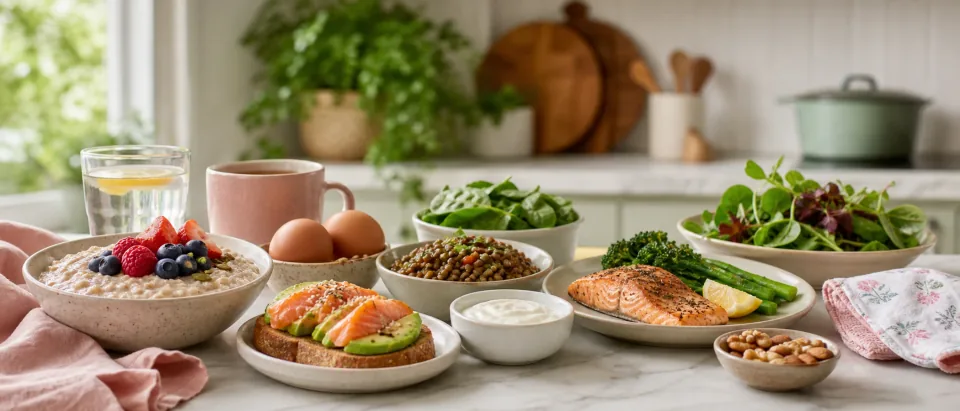
The best breastfeeding diet usually looks like ordinary food you can actually repeat. CDC guidance points toward variety rather than a special restrictive diet: protein foods, vegetables, fruit, whole grains or other fiber-rich carbohydrates, dairy or calcium-rich alternatives, and healthy fats. In real life, that might be eggs and toast, lentil soup, salmon with rice, yogurt and fruit, tofu noodles, oatmeal with nut butter, or a freezer burrito plus salad.
The hidden postpartum problem is often under-eating. Breastfeeding, healing, night wakings, and holding a baby can make it hard to sit down. A practical target is not perfection. It is two or three reliable meals or mini-meals that keep you from running on coffee and crumbs.
CDC guidance also keeps this reassuring: most breastfeeding parents do not need a special list of foods to avoid. The choices that deserve a clearer check are the ones with known safety limits, such as high-mercury fish, high caffeine intake, alcohol timing, and herbs or supplements used for a milk-supply effect.
Breakfast-ish
Bowl meals
Emergency backup
What food can and cannot do for milk supply
Food supports the body that makes milk, but it is rarely the whole supply answer. CDC newborn feeding guidance and ACOG breastfeeding resources focus on milk removal, feeding frequency, diapers, weight, swallowing, latch, and baby alertness. That is why Doola's low-milk-supply guide owns the deeper troubleshooting question while this page keeps the diet job clear.
For this diet guide, the honest food answer is: eat enough first, keep fluids nearby, and be cautious with products that promise fast supply boosts. Some parents like oatmeal, soups, brewer's yeast snacks, or lactation teas, but the evidence and safety profile vary by ingredient. If diapers drop, baby is hard to wake, weight gain is concerning, or feeds hurt, get feeding support rather than waiting for a food fix.
A practical split is simple: meals and snacks can help your energy and recovery, but they cannot prove baby is transferring enough milk. Use food as support, then use baby clues for the supply decision.
Nutrients that deserve extra attention
Breastfeeding can raise the need for a few nutrients that are easy to miss when meals are rushed. CDC specifically highlights iodine and choline as important during lactation. Many parents can get iodine from dairy, eggs, seafood, or iodized salt, and choline from eggs, meat, fish, poultry, beans, and some vegetables. If you avoid animal foods, dairy, eggs, seafood, or iodized salt, this is a good supplement-label conversation with your clinician.
Omega-3-rich seafood can also be useful, but the fish choice matters. FDA advice encourages pregnant and breastfeeding people to choose lower-mercury fish and avoid the highest-mercury options. A simple rule is to choose fish like salmon, sardines, trout, anchovies, or tilapia more often, and avoid king mackerel, marlin, orange roughy, shark, swordfish, tilefish from the Gulf of Mexico, and bigeye tuna.
Iodine
Choline
Seafood
What to limit, check, or skip
Caffeine does not have to disappear for most breastfeeding parents, but moderation matters. CDC notes that about 300 mg per day, or roughly two to three cups of coffee, is generally considered acceptable for most breastfeeding mothers. Some babies may seem more wakeful or fussy, especially newborns or preterm babies, so timing and baby response still matter.
Alcohol, herbs, and supplements deserve more caution than normal foods. Lactation teas and capsules can include fenugreek, blessed thistle, fennel, or blended botanicals. LactMed exists because drugs, herbs, and supplements can have different breastfeeding considerations, and "natural" does not mean risk-free. If a product is meant to change supply, hormones, sleep, mood, or weight, check the exact label before using it.
Caffeine
High-mercury fish
Herbs and supplements
When diet is not the main problem
Diet can make you feel steadier, but it should not carry problems that need care. ACOG breastfeeding guidance and CDC newborn feeding resources both point beyond food when symptoms or intake clues change. Call your care team or baby's clinician if you have fever, severe breast pain, signs of mastitis, heavy bleeding, dizziness, mood symptoms that feel unsafe, or if baby has fewer wet diapers, poor weight gain, hard-to-wake sleepiness, or feeding that is painful or not effective.
For exact product questions, Doola is useful because labels are messy. A "lactation cookie" can contain herbs, caffeine, allergens, sugar alcohols, or ingredients you would not notice from the front of the package. Doola can help check the actual label so the next step is specific to what you are holding.
That separation matters for safety: use diet advice for ordinary meals, use Doola for exact labels, and use clinical or lactation support when the question is symptoms, medicine, supplements, baby intake, or whether breastfeeding is working. If the concern is baby intake, CDC-style feeding evidence is not another food list. It is diapers, weight, alertness, feeding comfort, and milk transfer.
Sources behind this guide
We checked breastfeeding diet guidance against CDC maternal diet guidance, FDA fish and mercury advice, LactMed herb and medication safety context, and ACOG breastfeeding and postpartum-care guidance. Search and Trends evidence shaped the wording, but official public-health sources shaped the safety claims.
The page deliberately separates three jobs: CDC and FDA guidance for ordinary diet limits, LactMed and ACOG context for herbs and breastfeeding safety, and Doola's product-label check for packaged items with hidden ingredients. That keeps the article useful without pretending food advice can diagnose low supply, clear a supplement, or prove whether baby is transferring enough milk.
This guide is educational and source-linked. It does not diagnose low supply, clear supplements or medicines, replace lactation care, or tell you whether a specific baby is getting enough milk.
Breastfeeding diet questions parents search next
These questions cover the diet details that often become separate searches after the first answer. CDC gives the strongest concrete numbers for breastfeeding diet: many well-nourished parents need about 330 to 400 extra calories, and about 300 mg of caffeine per day is generally considered acceptable for most breastfeeding mothers. FDA guidance changes the seafood answer by mercury level, and LactMed is useful when a tea, capsule, herb, or supplement starts to act more like a treatment than an ordinary food. Use the answers below to check the specific decision before you treat a generic list as a personal plan.
What is the best diet while breastfeeding? expand_more
Do I need extra calories while breastfeeding? expand_more
What foods increase milk supply? expand_more
Can I drink coffee while breastfeeding? expand_more
What fish should I avoid while breastfeeding? expand_more
Are lactation teas or fenugreek safe while breastfeeding? expand_more
References
Source-cited references used for this article. Open the original guidance when you want the public-health details behind the summary.