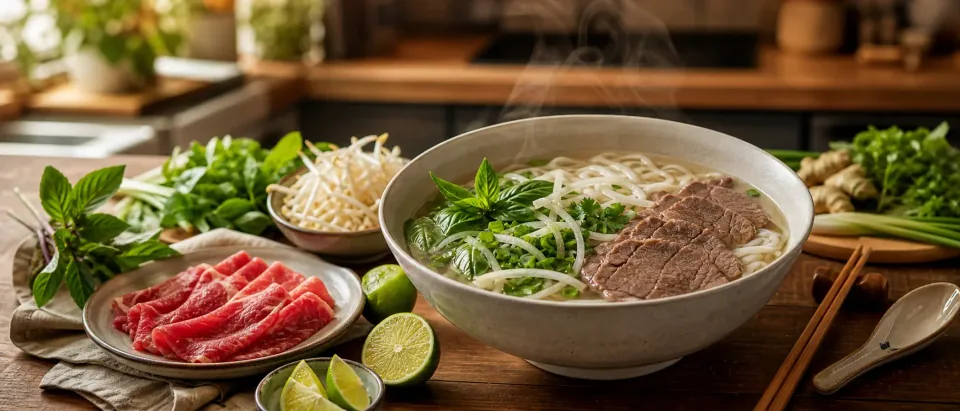
Raw sprouts during pregnancy are a higher-risk food-safety choice. FDA and CDC guidance points to skipping raw sprouts and eating sprouts only when they are cooked thoroughly, ideally steaming hot. Do now: ask for no raw sprouts on salads, sandwiches, pho, and bowls, or choose a cooked version.
Source basis: This guide cross-checks the practical answer against FDA, CDC, FoodSafety.gov and the full references listed below.
Why raw sprouts get a stricter pregnancy rule
Raw sprouts are not just another washed vegetable. FDA explains that bacteria can be present in sprout seeds before they grow, and the warm, moist conditions used for sprouting can let bacteria multiply. That is why rinsing raw sprouts is not the same safety move as washing a whole cucumber or apple.
CDC pregnancy food-safety guidance makes the practical split clear: raw or undercooked sprouts are riskier, while sprouts cooked until steaming hot are the safer choice. This applies to bean sprouts, alfalfa sprouts, clover sprouts, radish sprouts, mung bean sprouts, and similar raw sprout toppings.
Raw sprouts are higher risk
Washing is not enough
Cook thoroughly
Watch symptoms
Salads, pho, ramen, sandwiches
Sprout situations and the safer move
The useful question is not whether sprouts are healthy in general. During pregnancy, the safety question is whether they are raw, only rinsed, lightly warmed, or cooked thoroughly enough to change the risk.
Raw bean sprouts
Alfalfa, clover, radish, or mung bean sprouts
Rinsed raw sprouts
Cooked sprouts
Restaurant salads, sandwiches, pho, or bowls
If you already ate raw sprouts
Start with what happened: the sprout type, whether it was raw or cooked, when you ate it, and whether anyone else got sick. FoodSafety.gov explains that pregnancy raises foodborne-illness risk for both the pregnant person and baby, so symptoms matter more than reassurance slogans.
If you feel fine, you usually do not need to panic from one bite. If fever, repeated vomiting, diarrhea, dehydration, severe cramps, blood in stool, or feeling very unwell appears after eating raw sprouts, ask for care advice and mention the sprout exposure.
Use Doola when sprouts are inside another meal
Sprouts are often a topping, not the whole meal. A salad kit, pho bowl, ramen bowl, sandwich, or restaurant plate may also include deli meat, soft cheese, raw egg dressing, seafood, or leftovers. Those details can change the pregnancy answer.
Use the Can-I-Eat sprout lookup for the fast yes/no check, and use related Learn guides when the question is really about salad handling, pho broth, ramen add-ins, or restaurant food.
Raw sprout questions parents ask
These follow-ups keep the page specific: whether washing changes the answer, whether bean sprouts are different, how hot cooking needs to be, and what to do after accidental exposure.
Can pregnant women eat raw sprouts? expand_more
Are bean sprouts safe during pregnancy? expand_more
Can I wash raw sprouts and eat them while pregnant? expand_more
What counts as cooked enough for sprouts during pregnancy? expand_more
What should I do if I accidentally ate raw sprouts while pregnant? expand_more
How we checked this
We checked FDA raw-sprout guidance, CDC pregnancy food-safety guidance, and FoodSafety.gov pregnancy foodborne-illness context. We kept the article focused on the practical source-backed split: raw sprouts are a higher-risk choice, cooked sprouts are safer, and symptoms after exposure deserve care advice. This guide is educational and does not diagnose foodborne illness or replace care from your clinician.
References
Source-cited references used for this article. Open the original guidance when you want the public-health details behind the summary.